- Home
- News
- Sport
- Weather
- iPlayer
- Sounds
- Bitesize
- CBeebies
- CBBC
- Food
- Home
- News
- Sport
- Business
- Technology
- Health
- Culture
- Arts
- Travel
- Earth
- Audio
- Video
- Live
Use BBC.com or the new BBC App to listen to BBC podcasts, Radio 4 and the World Service outside the UK.
Find out how to listen to other BBC stations
Episode details
Radio 4,·06 Aug 2026,·28 mins
Available for 35 days
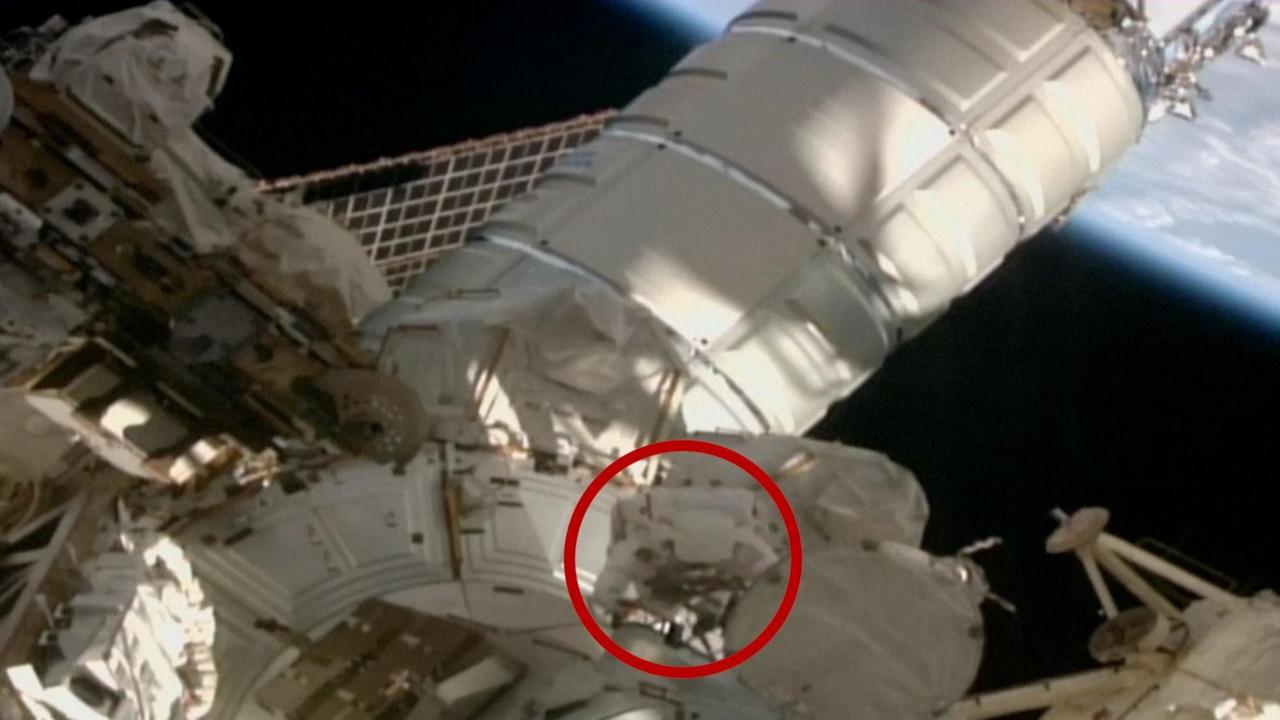
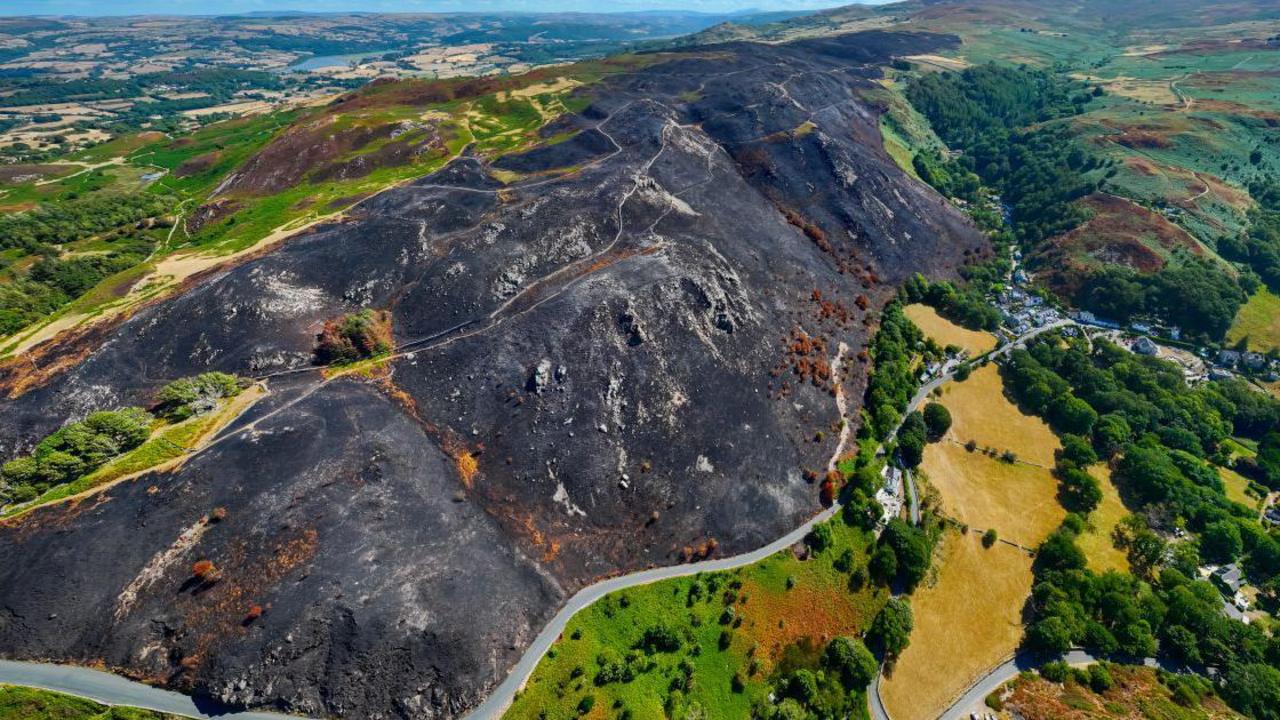
Large parts of Europe are in the grip of drought. According to the UK Meteorological Office, last week was the UK's driest July on record. Katie Field, professor of plant-soil processes at Sheffield University, joins us to discuss the state of our struggling substrate. Next week, a dramatic solar eclipse will be sweeping down the Atlantic. In the past, eclipses have been vital to astronomers exploring the outer reaches of the Sun. Now though, they can make their own on demand. Esther Bastida-Pertegaz, project engineer at the European Space Agency, discusses the flying formation Proba-3 mission. A highly pathogenic bird flu has arrived in Australia, threatening local wildlife. Every continent in the world is now affected, and the harm that could be done to bird populations and mammals could be devastating. Thijs Kuiken, virologist at Erasmus University Medical Center in Rotterdam, brings us up to date with the situation. And Lizzie Gibney of Nature Magazine joins us to discuss this week’s science news. Presenter: Roland Pease Producer: Clare Salisbury, Tabitha Taylor-Buck, Keiran Manetta-Jones Editor: Martin Smith Production Co-ordinator: Jana Bennett-Holesworth
Source note
First published by BBC Science
This article was supplied by BBC Science through its RSS feed and formatted for Crooli Signal. The reporting remains with the original publisher.
Read the original at BBC Science