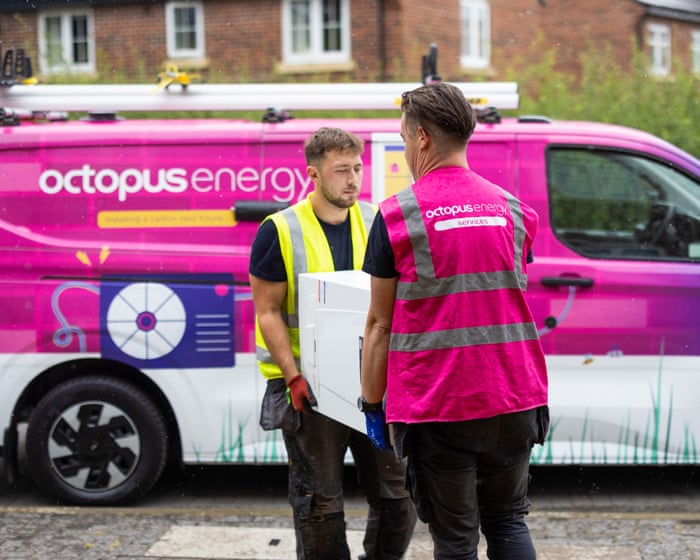
Workers are pushing for union recognition at the UK’s largest energy company, Octopus Energy, known as a progressive organisation with a focus on renewable energy.
The GMB union is planning to submit a formal proposal for voluntary recognition at the London-based company and says Octopus, as a top rated ethical business, should welcome the involvement of trade unions.
But the company, which has risen to prominence in the UK energy sector with its tech-driven approach, has said there is currently no need – or demand from staff – for union recognition.
A spokesperson for Octopus Energy denied the company was anti-union, adding it was up to staff whether to push for union recognition. “We’ve engaged constructively with unions and will continue to do so whenever our team asks us,” they added.
They said Octopus was “an outstanding employer” and “consistently named one of the UK’s best places to work and every employee is a shareholder”.
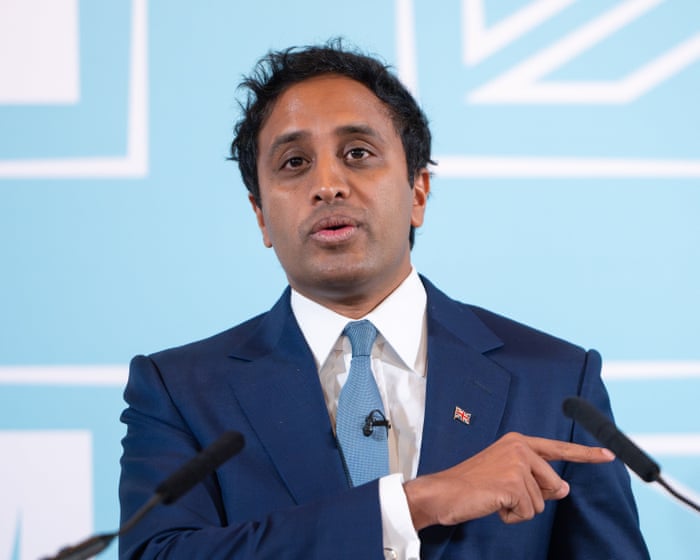
But Tony Tanushi, a regional energy officer at the GMB, said the company’s management had shown “no appetite” for unionisation and that if its application for voluntary recognition did not work, he would be willing to take it to arbitration.
“Simply put, their staff want to unionise, they see that their competitors provide a genuine platform for their employees to provide feedback and they want the same opportunity. As a union we identify those with leadership qualities to help organisations unlock their full potential.”
He said the fact staff at Octopus had a share in the company did not change the need for union recognition.
“Many companies provide a share scheme for their employees and this doesn’t translate to having a genuine voice on terms and conditions that would be achieved through a formal recognition and bargaining rights. Workers feel powerless and voiceless – having an option to buy shares doesn’t change the material conditions of the work they’re struggling and expected to do.”
GMB has been criticised by climate groups for its calls for more drilling of fossil fuels in the North Sea and its opposition to the government rollout of heat pumps.
The Octopus spokesperson said: “Opposing heat pumps and EVs means turning our backs on the very industries that will create the next generation of skilled jobs and directly jeopardises thousands of jobs across our business.”
Mel Evans, the head of climate at Greenpeace UK, said it worked closely with Octopus Energy on the just transition and supported its efforts to move the UK to a successful low carbon economy. But she said unions must be involved in that transition.
“Jobs are needed across the renewables sector to provide alternatives to the fossil fuel industry as it is replaced – and those jobs must be secure, well-paid, unionised jobs …We need unions and workers onboard to power this transition – we simply can’t do it without them.”
The Octopus spokesperson suggested Greenpeace should focus on persuading unions to reverse their stance on fossil fuels, heat pumps and electric cars.
Source note
First published by The Guardian UK
This article was supplied by The Guardian UK through its RSS feed and formatted for Crooli Signal. The reporting remains with the original publisher.
Read the original at The Guardian UK