'Rape list' part of misogyny girls face at school
Image source, This Life Collective
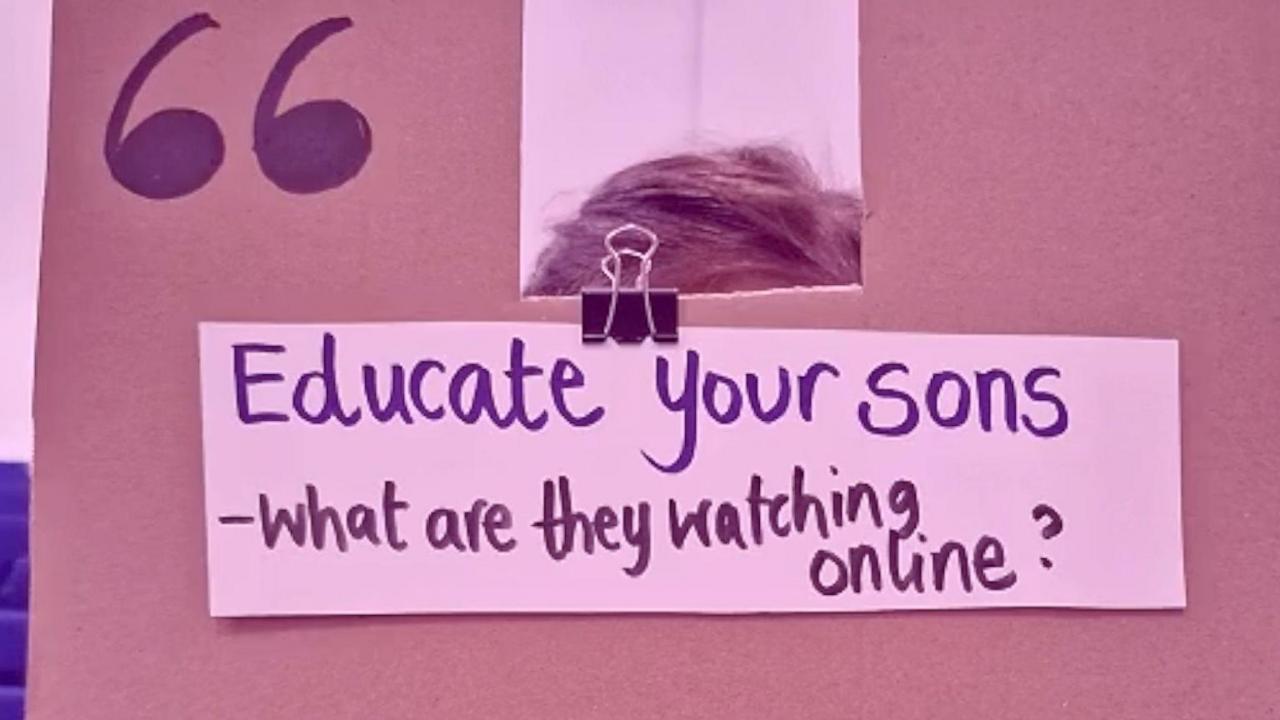
Image caption, Threats of violence, abuse and sexism experienced by schoolgirls are included in the campaign video
ByMegan Paterson
North East and Cumbria Investigations
A group of teenage girls have said they feel "worthless" and "frightened" as a result of the extreme misogyny they regularly experience.
The students, from Tyneside, have spoken out after making a film about the language they endure at school and online.
Many comments are too explicit to share, but they include threats of violence and rape often masked as "banter". One girl described how disturbed she had been after a "rape list" was made by boys in her school.
The government said it was "taking bold and decisive action to halve violence against women and girls", with changes being introduced from September to help teachers challenge misogyny.
The North East has the highest rate of violence against women and girls in England and charities warned unchallenged attitudes could lead to abuse in early relationships.
Misogyny is defined as a contempt for, hatred of or prejudice against women.
One girl told the BBC she felt "worthless" after learning of the "rape list" made by boys in her school.
"Boys ordering girls, who they want to rape the most and then the least," she explained.
"It is frightening because you don't know people's real intentions."
'Aggressive language'
Catherine Marchant, CEO of Impact Family Services in South Tyneside, said young people could become unaware of abuse in real life if violent misogynistic attitudes were normalised in schools and on social media.
"It's very concerning for us because we're seeing this across the region in all schools," she said.
"Sadly, we're getting young women aged 15, 16, 17 now recognising that they've been abused in their first relationships. They think this is what relationships are about.
"They see it online, they hear it in music. If nobody calls this out and tells them it's not right, they think this is how they should behave."
Image caption, Catherine Marchant has called for better education around misogyny
Marchant said her charity saw generations of women using its services, with breaking the cycle of abuse having to begin by educating young people.
"We're almost having 13-year-old girls being raped by 13-year-old boys," she said.
"But nobody's told the girls that boys shouldn't do that to them, and in some cases nobody's told the boys that they shouldn't."
The girls made the film as part of work with This Life Collective, which provides a range of therapeutic support and services, primarily for young people.
It has been shared with the Department for Education and Prime Minister Andy Burnham.
Director Sue Davison, a specialist teacher with 30 years' experience in schools, said the rise of toxic masculinity among social media influencers had a serious impact on "disenfranchised boys".
"I think the language is getting more violent and aggressive," she said.
"There are huge numbers of boys who do not take part in this behaviour and they are really made uncomfortable by it.
"We're talking to the girls about nine out of 10 boys would never take this further than language, which is bad enough, but it's that one possibly out of 10 that might."
Image caption, Sue Davison says the rise of toxic masculinity among influencers has a serious impact on "disenfranchised boys"
Davison said the film should be shown in schools across the country.
The girls said they changed their behaviour regularly to feel safer, avoiding large groups of young men and sticking together when they go out at night.
"It shouldn't have to be like that," one said. "I should just be able to walk home the quick way.
"But I'd prefer to take the long way round just so I know if anything was to happen, there were people there.
"It's just like an instinct. You just do it, because it's like fight or flight."
The students hope their film will help challenge attitudes and encourage discussion.
Image source, Supplied
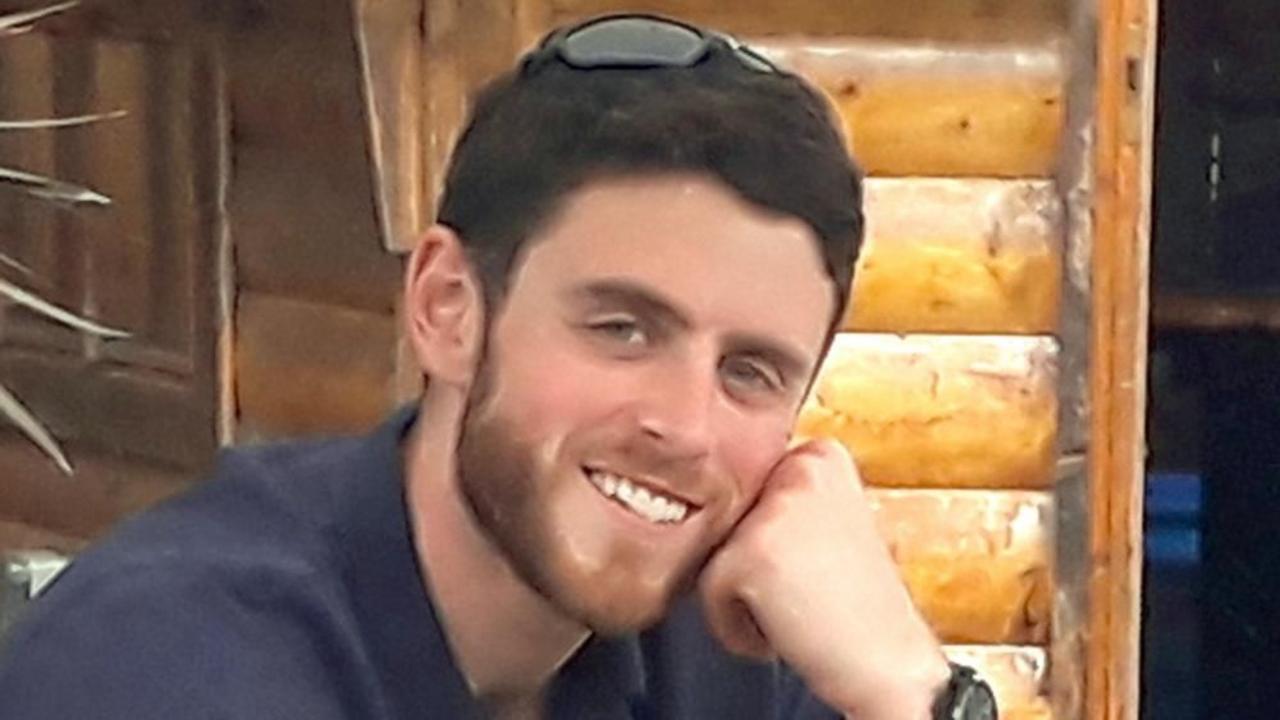
Image caption, Dr Alex Bower praised the girls for their bravery
Dr Alex Blower, a researcher specialising in masculinity, inequality, and education, founded Boys' Impact, a UK-wide network which looks at improving opportunities for young men from working class backgrounds.
He praised the bravery of the girls for sharing their experiences and said more work needed to be done "with boys and young men to create a hopeful, values-based expectation for the type of dad, mate and romantic partner they can be".
But he said while there had been clear messaging for girls and young women about empowerment over the last 40 years, boys had been left behind.
"What we haven't done is created a parallel narrative for boys and young men surrounding what a happy, healthy, successful future looks like for them," he said.
"Instead, we've left a void, one which has been filled with nefarious online actors peddling their own narratives surrounding what a successful manhood looks like."
Image source, This Life Collective
Image caption, This Life Collective has shared the film with the Department for Education and Prime Minister Andy Burnham
Blower said current interventions in schools could often start with the assumption that there was "something inherently wrong with being a boy", rather than creating conversations about the type of man they aspired to be and how they could be supported to achieve that aim.
A government spokesperson said: "This government is taking bold and decisive action to halve violence against women and girls, one of the most pressing challenges facing our society today.
"That is why we have committed £16m to pilot targeted interventions in schools, and from September every school will deliver the new Relationships, Sex and Health Education (RSHE) curriculum, including teaching about healthy relationships and harmful behaviours."
- If you have been affected by any of the issues in this report, help and support are available at BBC Action Line
Follow BBC North East on X, external, Facebook, external, Nextdoor and Instagram, external.
Get in touch
Do you have a story suggestion for BBC Tyne?
Source note
First published by BBC News
This article was supplied by BBC News through its RSS feed and formatted for Crooli Signal. The reporting remains with the original publisher.
Read the original at BBC News