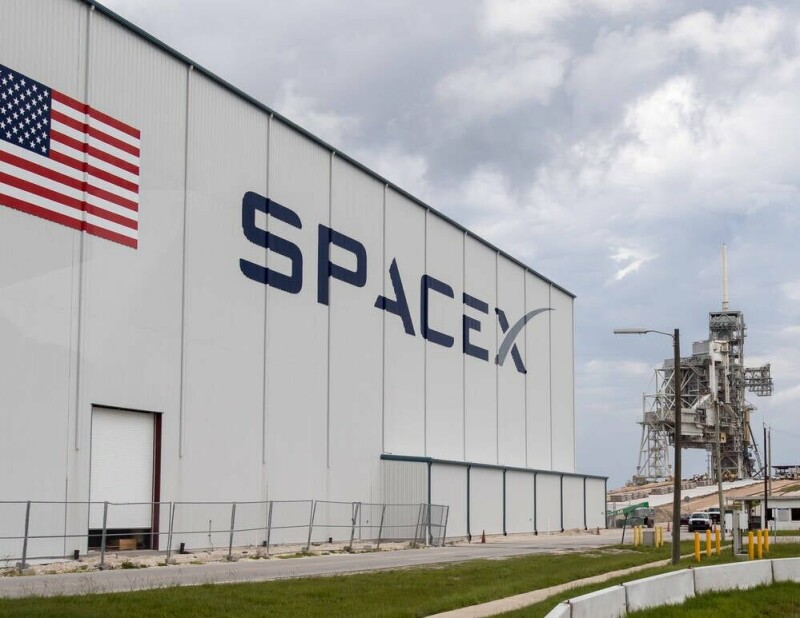
SpaceX beat revenue forecasts in its first results as a public company, but surging AI expenditure and another quarterly loss left investors unimpressed. In unrelated but appropriately-timed space news, a discarded SpaceX rocket body is believed to have struck the Moon this morning. SpaceX's figures show revenue rising sharply across its two main segments. For the quarter ended June 30, total revenue reached $7.8 billion, up from $4.7 billion in the previous quarter. Connectivity revenue increased from $3.3 billion to $4.3 billion, while AI revenue jumped from $818 million to $2.6 billion. Capital expenditure jumped from $10.1 billion in the first quarter to $18.4 billion in the second, with AI infrastructure accounting for $15.8 billion. Connectivity, which includes Starlink, remained SpaceX's only profitable operating segment, although losses from AI operations fell to $1.3 billion for the quarter ending June 30, down from $2.5 billion in the previous quarter. Musk was his usual bombastic self during an investor call on the results, stating: "It's not out of the question that at some point Starlink will deliver a majority of the world's internet, at least in countries where we're allowed to operate." It was left to SpaceX's Chief Operating Officer, Gwynne Shotwell, to qualify Musk's statement with the words: "We expect Starlink will represent a significant portion of internet traffic." Shotwell struck a more measured, if still ambitious, note on Starship and the company's lunar plans, saying: "We want to put boots on the ground – boots on the Moon – in 2028." For his part, Musk told investors that the next Starship flight would be the first to deploy Starlink satellites into orbit, and that there was a chance the company might catch a returning Starship upper stage. Flight 13's Starship made a controlled splashdown in the Indian Ocean and was the first vehicle of the V3 design to remain intact through the maneuver. Musk said that the company would attempt to catch both the Super Heavy booster and Starship upper stage this year. It has been a while since SpaceX last managed the crowd-pleasing feat of catching the booster, and both recent flights of its V3 Starship rocket have ended with booster problems and a faster-than-planned descent into the Gulf of Mexico. SpaceX is far from the only tech company spending vast sums on AI technology, but with Starlink being the only profitable part of the business and capital expenditure rising at the rate it is, investors appear rattled. SpaceX shares fell about 10 percent to $110.95 in pre-market trading, well below their $135 IPO price and less than half their $225.64 peak. ®
Source note
First published by The Register
This article was supplied by The Register through its RSS feed and formatted for Crooli Signal. The reporting remains with the original publisher.
Read the original at The Register