After serving half his original sentence, Bear was released from prison, but between 1 March 2025 and 21 July 2025 began posting on Instagram, TikTok, X, YouTube and Facebook about the case and Harrison.
The court heard these were "consistently posted messages of the most abhorrent and harmful type".
Addressing Bear, the judge said: "What you did in that three to four-month period is simply victim-blaming."
Harrison did not attend court, but the prosecution read out a statement in which she described feeling isolated, exposed and unsafe, and asked for the restraining order to be extended.
She said the significant stress had made her worry about her unborn child and caused her to "spiral" on some occasions.
"I shut him out of my mind for a long time and it's not fair that he's managed to crawl his way back in," she said.
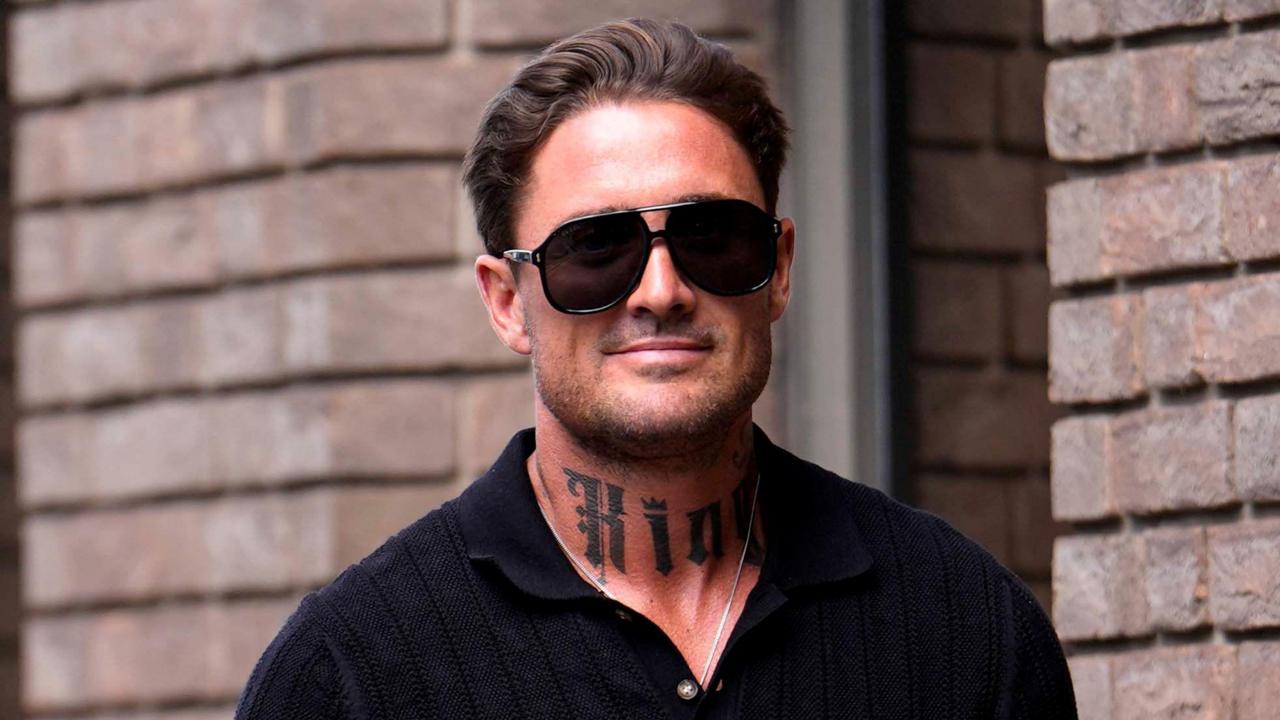
Bear arrived for Thursday's sentencing with his wife, who is eight months pregnant.
As he walked in to court, he refused to answer questions but gave a thumbs-up and said: "Wish me luck guys. See you soon, hopefully."
As his barrister spoke about why there should be a reduced sentence, Bear appeared to briefly cry.
He shook his head as he was taken away to begin another prison term.
Senior crown prosecutor Andrew Young said Bear "used his platforms to amplify abuse and encourage others to target" Harrison.
The Crown Prosecution Service said Bear had looked to cast doubt on his convictions, including by alleging Harrison and her mother had conspired to pervert the course of justice.
He also created an online petition seeking support for a retrial.
Young added: "No woman should be made to live in fear because someone refuses to accept the restrictions placed on them by a court."
In a separate statement released through Essex Police following sentencing, Harrison said she was grateful to the force because it "took me seriously when so many women in my position are overlooked".
"They treated this as the serious crime it is – not a celebrity story. It is a real offence against a real person," she said.
"They built the case properly, they stayed with it, and when the order was breached, they acted instead of shrugging. From the messages I get every day, I know how rare that still is.
"If every force treated this the way Essex Police did, thousands of women would feel safer today."
Source note
First published by BBC Culture
This article was supplied by BBC Culture through its RSS feed and formatted for Crooli Signal. The reporting remains with the original publisher.
Read the original at BBC Culture