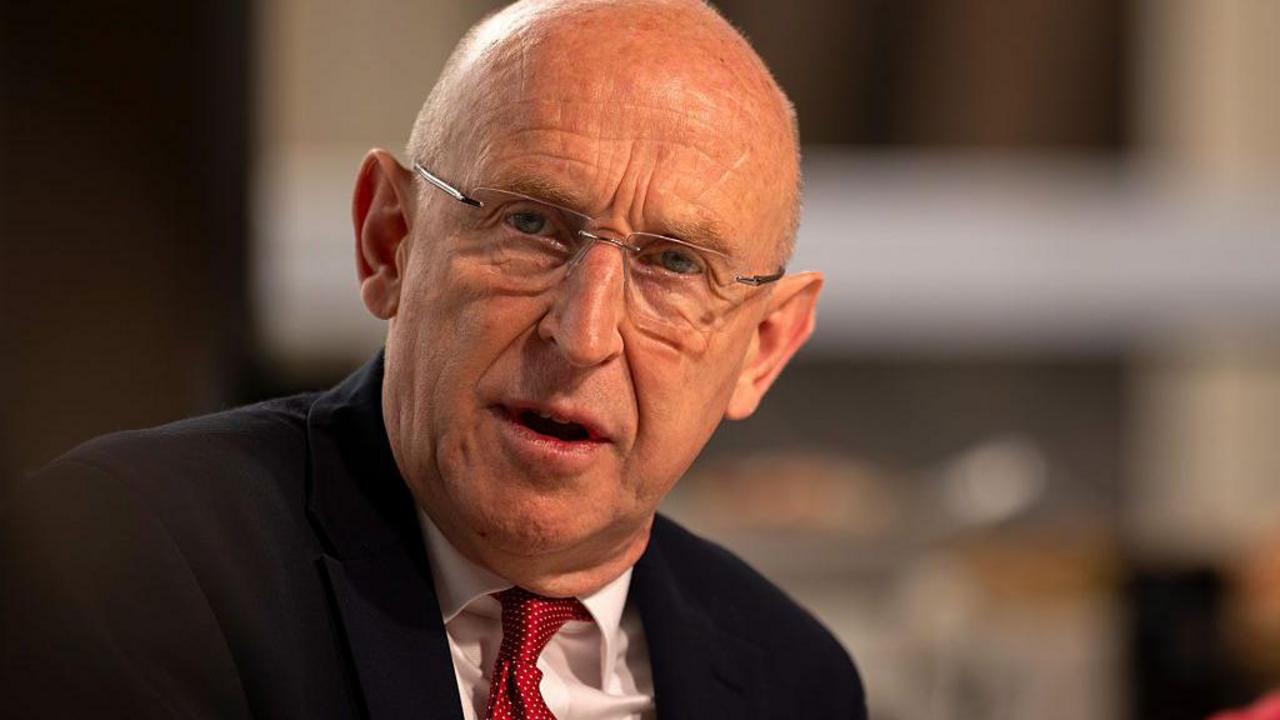
Healey said the budget would "meet our fiscal rules" and "give businesses and families some of the stability they need to plan for the future".
A report in the Times says the joint letter told ministers they must work "within the budgets they have already got" even while "pay[ing] for new things they want to do this year and next".
While the ongoing war in Iran is pushing up inflation and borrowing costs, senior Treasury sources confirmed that the government was determined to stay "well within the fiscal rules" inherited from Sir Keir and Reeves.
But Burnham has said his government will stick to Labour's fiscal rules on spending and borrowing as well as the party's 2024 manifesto pledges not to increase income tax, VAT or National Insurance contributions.
He also said he will honour the fiscal rules imposed by Reeves, which include a pledge to balance day-to-day spending with tax revenues by the end of the decade.
An influential think tank said earlier this week that the prime minister only had a small margin of error to do this and that Healey may have to cut spending or raise taxes to meet Burnham's policy priorities, such as extra defence spending and better social care.
Healey was defence secretary under Sir Keir but resigned after a row over defence spending commitments, saying he was "certain" that Britain should lift its spending to 3% by 2030.
Questioned about funding on Thursday, Burnham's Defence Secretary Wes Streeting repeatedly refused to commit to that target.
"Before we set out specific spending commitments, we will also set out how we pay for them at the same time," he said.
Reeves left a £22bn buffer in her last Budget, but persistent inflation due to the Iran war could have eroded that.
On Friday, the PM said he would give all mayors of city regions in England a share of income tax revenue for the first time, as part of his efforts to move power away from Westminster.
Reeves had previously said that regional mayors could be given control of some tax revenue to spend on their local priorities.
Labour pledged to devolve more powers to local councils and mayors in areas such as housing and transport as part of its 2024 election manifesto.
More details of Burnham's plan are expected to be announced in the Budget, but the government said the rate of income tax will not change as a direct result of the reforms.
AJ Bell public policy director Tom Selby said Healey "doesn't have the luxury of pointing the finger of blame at the last administration".
"Healey will likely spend a chunk of his time leafing through the thesaurus looking for new ways to rephrase the 'tough choices' message of his predecessor," he said.
Shadow chancellor Sir Mel Stride said the announcement of the budget date meant "89 more days of unfunded spending commitments and damaging tax speculation until we get some details".
"Eighty-nine more days for Brits to wait before they know how much their taxes are going to go up to fund Burnham's spending addiction," he said.
Source note
First published by BBC Politics
This article was supplied by BBC Politics through its RSS feed and formatted for Crooli Signal. The reporting remains with the original publisher.
Read the original at BBC Politics