Big developers are discovering that the technical progress of photorealism doesn’t always translate into the creative spark that gives gamers joy – and keeps them playing
• Don’t get Pushing Buttons delivered to your inbox? Sign up here
Last week, Asha Sharma, the new head of Xbox, laid out her vision for the future of the console and interestingly, the two titles she picked out as potential areas of growth were Minecraft and Candy Crush Saga – games that don’t exactly scream next-generation entertainment. Neither relies on hyper-realistic visuals, which is the north star that games consoles and gaming PCs have been aiming at for the past 40 years. They are, instead, well-designed, well-loved franchises that you can play and enjoy on almost any PC, console or phone.
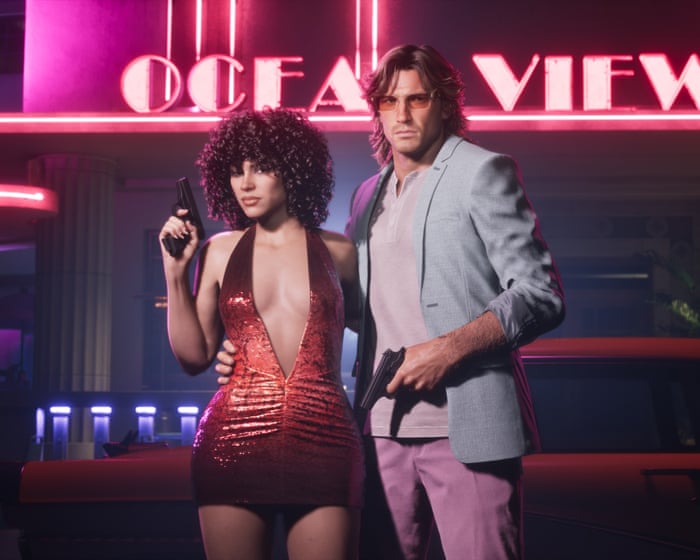
The fact is, the quest for visual hyperrealism is breaking the games industry. It’s becoming more and more expensive to put high-end graphics hardware into machines thanks to demand from the AI sector; at the same time, creating superrealistic visuals is an incredibly expensive and complex part of game development, leading to longer development periods. GTA VI, for example, has taken at least eight years to develop and is rumoured to have cost between $1bn and $2bn. By my back-of-an-envelope calculations, that’s around four times more than GTA V. Admittedly, the detail on everything, from the characters’ faces, to the cars, to the cityscapes, is astonishing. But will it be four times better than GTA V? Will it be four times more fun?
Source note
First published by The Guardian Technology
This article was supplied by The Guardian Technology through its RSS feed and formatted for Crooli Signal. The reporting remains with the original publisher.
Read the original at The Guardian Technology