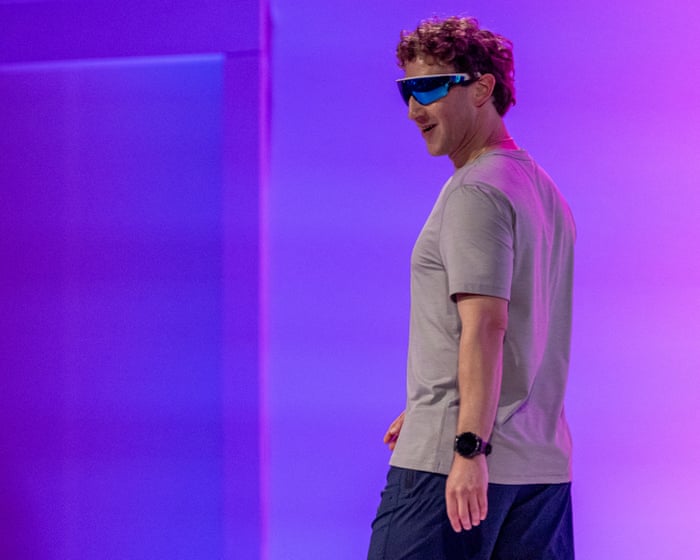
Privacy needs defending against invasive wearable gadgets. So far, businesses are ahead of the government
It is not yet clear to what extent Meta’s new smart glasses will live up to the nickname of “pervert glasses” – bestowed in recognition of the obvious appeal of wearable cameras to voyeurs. The past week has seen rising criticism of the devices, which in the UK have been banned by the pub chain Wetherspoons and the theatre group ATG, as well as restaurants, schools and members’ clubs. These organisations deserve praise for standing up for privacy. By contrast, regulators appear once again to be on the back foot.
There have, inevitably, already been reports of women being mistreated. Earlier this year the BBC spoke to several who had been filmed without their consent, with footage subsequently uploaded to social media. In one case, the content creator demanded a fee to remove it. In the year to March 2025, image-based sexual abuse and cyberflashing were responsible for more than half of an 11% increase in reported sexual offences in England and Wales. Normalisation of smart glasses would, clearly, make such offences easier to commit.
Do you have an opinion on the issues raised in this article? If you would like to submit a response of up to 300 words by email to be considered for publication in our letters section, please click here.
Source note
First published by The Guardian Business
This article was supplied by The Guardian Business through its RSS feed and formatted for Crooli Signal. The reporting remains with the original publisher.
Read the original at The Guardian Business