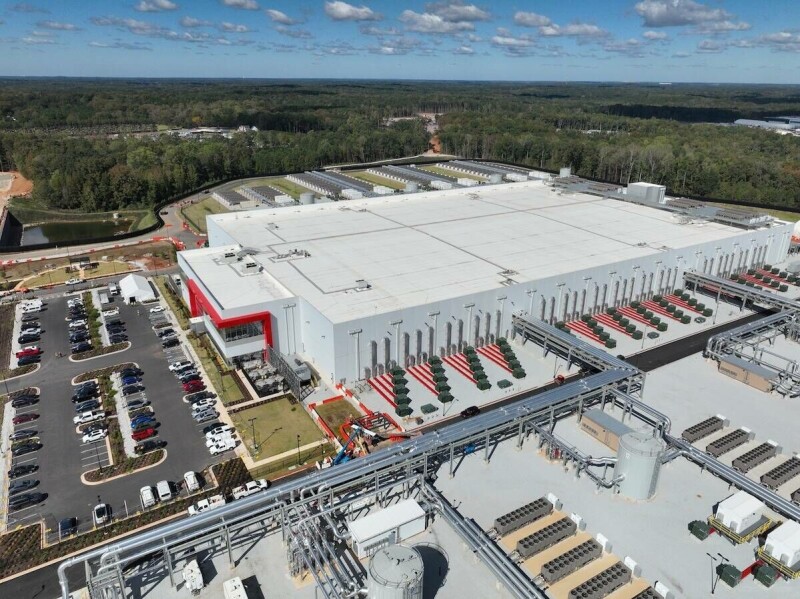
Ofgem is seeking feedback on proposals to levy a fee on datacenter development projects at the time they apply for a grid connection. The move aims to discourage companies from seeking approval for speculative applications that clog up the pipeline and cause connection delays, without ever resulting in finished datacenters. The UK regulator for electricity and gas says connection applications for electrical supply have surged from 41 gigawatts (GW) to 125 GW in under a year, with datacenters accounting for at least 80 GW of the new demand. Even before that happened, one of the UK's big developers complained that its build teams faced a wait of "a number of years" for work such as local substation upgrades to increase grid capacity. Ofgem is proposing a Datacenter Commitment Fee paid by the developers of large server farm projects when accepting a grid connection offer. The fee would be refunded once the facility is drawing power, or forfeited if the project exits the queue early instead. Alan Howard, Omdia principal analyst for Colocation and DC Building, told us previously that the power connection queue issue is a big problem, not just for the UK, but also in the US and other markets around the globe. "The strategy for many datacenter operators is to secure multiple land parcel rights, request a grid load connection for each (often requiring a costly load study), and see what gets approved so they can build. The capital investment to take all these projects seriously is clearly untenable and a huge financial risk for the energy sector if the demand doesn't fully materialize," he said. The issue is therefore that developers apply in multiple locations to secure power for a single campus, fill up the national application pipeline with speculative requests and hold up the works for viable projects. “Britain's electricity demand connections queue has more than tripled in size in less than a year, and consumers should not bear the risks created by speculative projects taking up space in the system,” said Eleanor Warburton, the regulator’s director for Energy System Design and Development. Ofgem’s suggestion is that the fee should be set within a proposed range of £237,500 ($319k) to £712,500 ($957k) per megawatt, which it believes is equivalent to about 2.5 percent to 7.5 percent of average project costs. It is suggests developers demonstrate progress with their project if they wish to retain their place in the queue, meeting criteria such as financial capability, commercial maturity and procurement activity milestones. Global colocation biz Telehouse, which operates five datacenters in the London area, told The Register it supports measures to ensure grid capacity is prioritized for credible project, though it has some reservations. “Ofgem’s proposal is an important initiative, but it must be implemented in a way that maintains the UK’s attractiveness as a destination for AI and digital infrastructure investment,” said Telehouse Europe, managing director, Mark Pestridge. “A refundable fee-based approach should not deter serious investors, but create a more transparent connections process that gives viable projects greater certainty.” However, reforming the queue will not resolve the underlying capacity challenge, Telehouse points out - the need to expand the grid and make more energy available. “A long-term solution will require sustained investment in the grid, alongside much closer collaboration between datacenter operators, local councils, National Grid and network operators at the earliest stages of planning,” Pestridge said. “Better coordination and forecasting will help ensure infrastructure is developed in the right places, at the right time, and that viable projects do not continue to face delays even after speculative demand has been removed.” The finger of blame for all this bother can be pointed at the government, which unveiled its AI Opportunities Action Plan at the start of last year. This included plans for “AI Growth Zones" with streamlined planning processes to speed along the building of more datacenters, apparently without bothering to check if the electricity infrastructure was ready. To try to tackle the bottleneck, the government set up an AI Energy Council, bringing together energy industry representatives and major technology firms to thrash out a strategy, co-chaired by the former Technology Secretary and Energy Secretary. The Register reported on the challenges faced last year. Ofgem’s consultation is open to anyone with an interest, and closes on September 16, 2026. The agency has response templates available on its website here. ®
Source note
First published by The Register
This article was supplied by The Register through its RSS feed and formatted for Crooli Signal. The reporting remains with the original publisher.
Read the original at The Register