The fear of becoming surplus to requirements because of advancements in AI is one shared by millions of workers, but are AI recruitment tools posing a specific threat to women trying to return to employment?
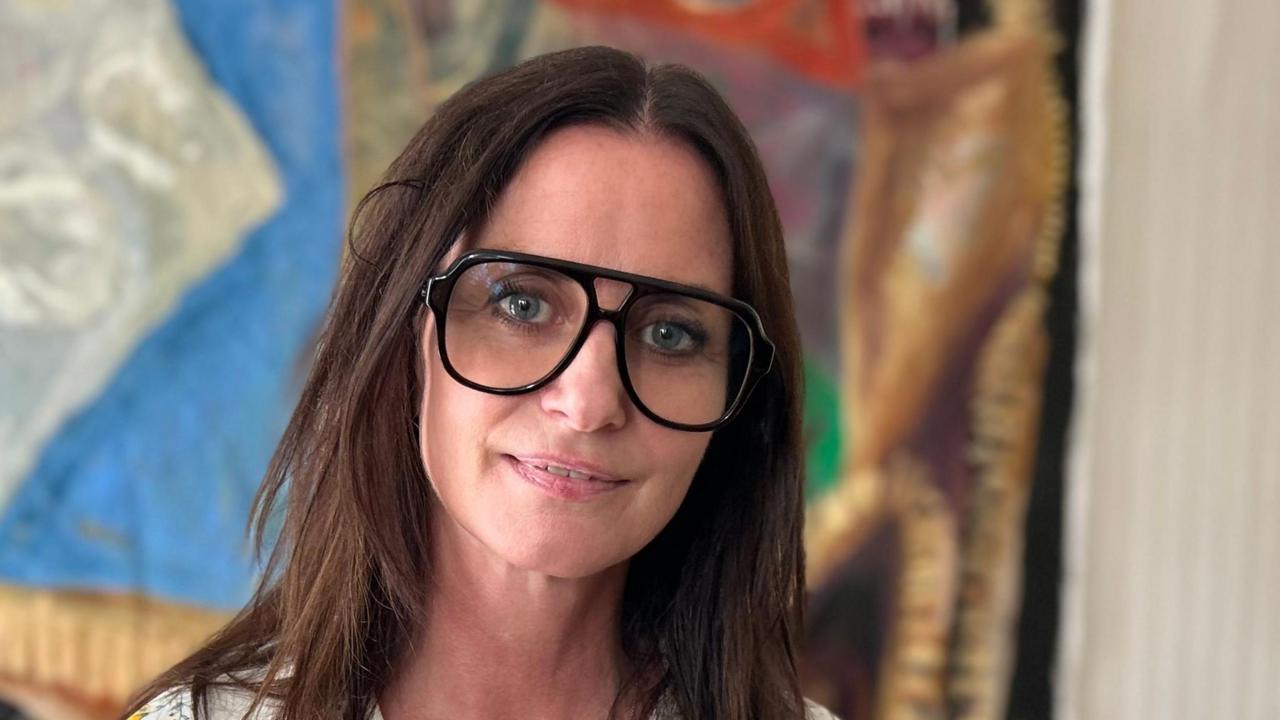
After a career spanning decades, with senior corporate roles in fashion, and a period of freelancing, 52-year-old Stacey Duguid decided to find "one last job".
What followed was 16 months of sending "gazillions" of CVs, with little more than a handful of automated replies, despite never previously struggling to find work.
Feeling "lonely and shameful" and wondering if it was a "me problem", she posted on social media asking whether other women her age were having the same experience.
The response was overwhelming, with thousands of women saying they were facing similar struggles.
Stacey, who lives in north London, believes AI-powered recruitment tools could be contributing to the problem and has "Botoxed" her CV by removing references to her age and experience.
"AI holds a mirror up to society. It's a reflection of our bias," she said.
"I'm not saying this is just a women's issue; I've had messages from men too. My point is about gendered ageism."
"There is a high level of concern that AI at initial recruitment level... doesn't account for the skills of a vast body of women that could be very effective and therefore promote economic growth," she said.
For example, women who have taken time out of work for childcare may have gaps in their CVs that some AI screening systems could interpret negatively.
In terms of the bigger picture, the taskforce estimates AI and automation could displace hundreds of thousands of women's jobs by 2035.
Using data from Market and skills projections: 2020 to 2035, Department for Education, external, the taskforce estimates that without significant investment in retraining, firms could face more than £750m in severance costs.
In the digital taskforce's recent survey, external of over 1,000 women, 68% said they had not been given the opportunity by their employer to retrain or transition into digital roles.
"When the country is desperate for economic growth, we need to use whatever resource we have, and the resource of women who are mid-career, mid-experience. If they drop out of the market there are huge repercussions," Haines said.
The BBC understands that some London-based companies have stopped using AI tools for fear of bias in their recruitment.
Laura Holden, an AI lawyer and founder of the Bonsai AI and legal consultancy, said companies often do not understand how the tools work, which has the potential to cause "significant harm".
She argued it is difficult to determine whether there is bias because "there is a lack of regulation globally that requires providers to show how their tools work".
She pointed to CV screening tools and AI-scored interviews as examples of where bias can emerge.
One tool, she said, grades CVs from A to D, encouraging recruiters to prioritise higher-ranked candidates. Others flag factors such as a seven-year career gap as a "thing to note", potentially influencing decisions unfairly.
Holden said providers were "very quick" to claim their tools are safe and reduce bias, while designing and marketing them in ways that encourage employers to reject large numbers of applicants based on AI-generated scores. Although companies describe them as decision-support tools, she said they often functioned as "automated decision-making systems".
She called for mandatory testing and stronger regulation before AI recruitment tools are deployed, arguing existing laws were not designed with AI in mind.
The concerns raised in this article by interviewees relate to the use of AI-powered recruitment tools more broadly and are not directed at any single provider.
Workday, the maker of popular AI-powered human resources software, is facing claims, external that it violated Californian law thousands of times by weeding out job applicants at many major companies for discriminatory reasons.
The case is proceeding, with a ruling expected later this year.
The BBC contacted Workday, which said the claims in the suit were false, adding that its tools don't make hiring decisions.
More generally, Workday highlights that its recruitment tools help recruiters identify candidates who best match a job description based on their skills and experience, supporting rather than replacing human judgement.
The company said its AI was "rigorously tested" through its Responsible AI programme and "does not consider traits such as age or gender".
Workday added that, when used responsibly, AI can help qualified candidates avoid "getting lost in the pile".
A government spokesperson said "While AI can help employers manage large volumes of applications and reduce administrative burdens, it is vital that recruitment processes remain fair, transparent and accessible.
"Existing legal protections, including equality and data protection law, already apply to AI systems, and we will act where additional protections are needed."
A spokesperson for Mayor of London Sir Sadiq Khan said AI presented both opportunities and challenges, particularly as women are more likely to work in AI-exposed roles. They said the mayor had backed recommendations from the London AI and Jobs Taskforce to help employers adopt AI responsibly and support workers through the transition.
As for Stacey, she has set up a community chat and platform to help women feel less alone, and to help companies address the issues in question.
"I want us, as a group, to be heard and seen. And for gendered ageism to become a thing of the past.
"Because if we're lucky, we all get old."
Listen to the best of BBC Radio London on Sounds and follow BBC London on Facebook, X and Instagram. Send your story ideas to hello.bbclondon@bbc.co.uk
Source note
First published by BBC News
This article was supplied by BBC News through its RSS feed and formatted for Crooli Signal. The reporting remains with the original publisher.
Read the original at BBC News