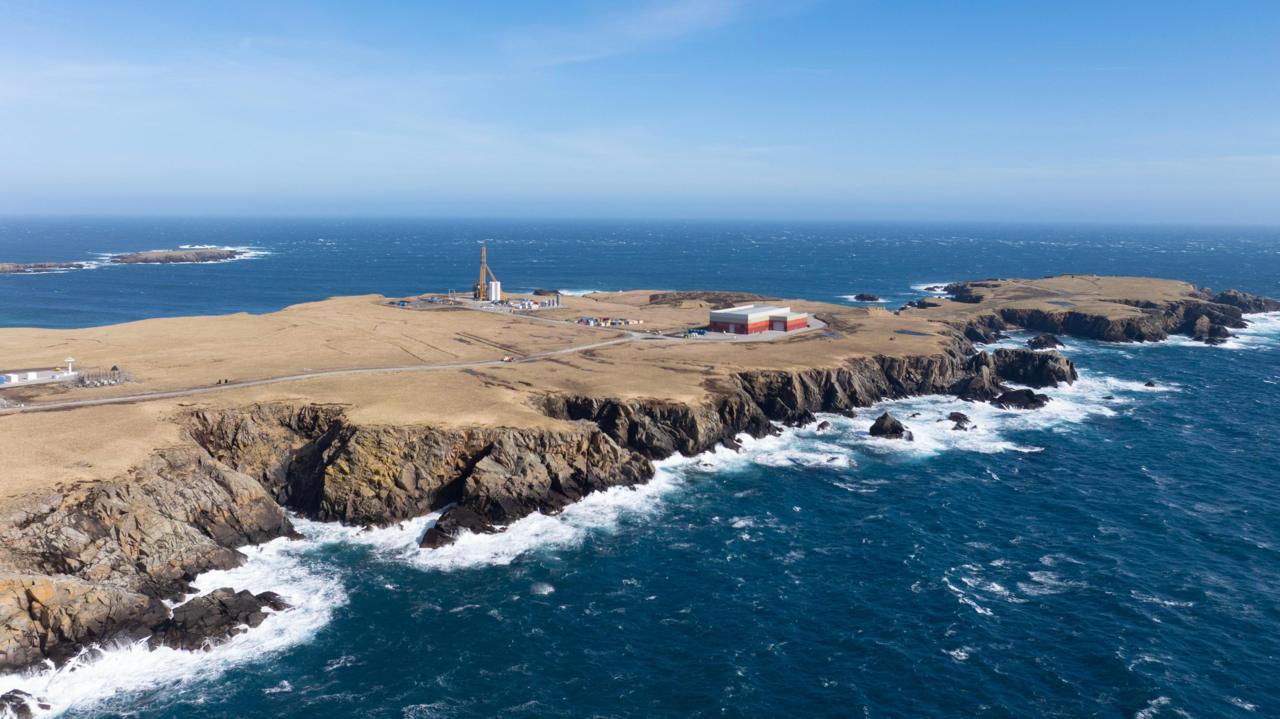
- Image source, PATRICK O'NEILLImage caption, A fire in the Rhinogydd mountains in Gwynedd started on the Harlech side of the range, before spreading towards Trawsfynydd
It could be hundreds of years before habitats destroyed by wildfires in Wales recover, an environment watchdog has said.
Nick Thomas, from Natural Resources Wales (NRW), said if soil had been incinerated in upland areas rich in peat, which grows at about a millimetre a year, it could take centuries for the vegetation to come back.
He expects 2026 to be the worst year Wales has ever experienced.
As well as damage to natural habitats and animal life, Thomas warned loss of soil could increase flood risks, because it no longer acted as a "sponge" holding water on high ground.
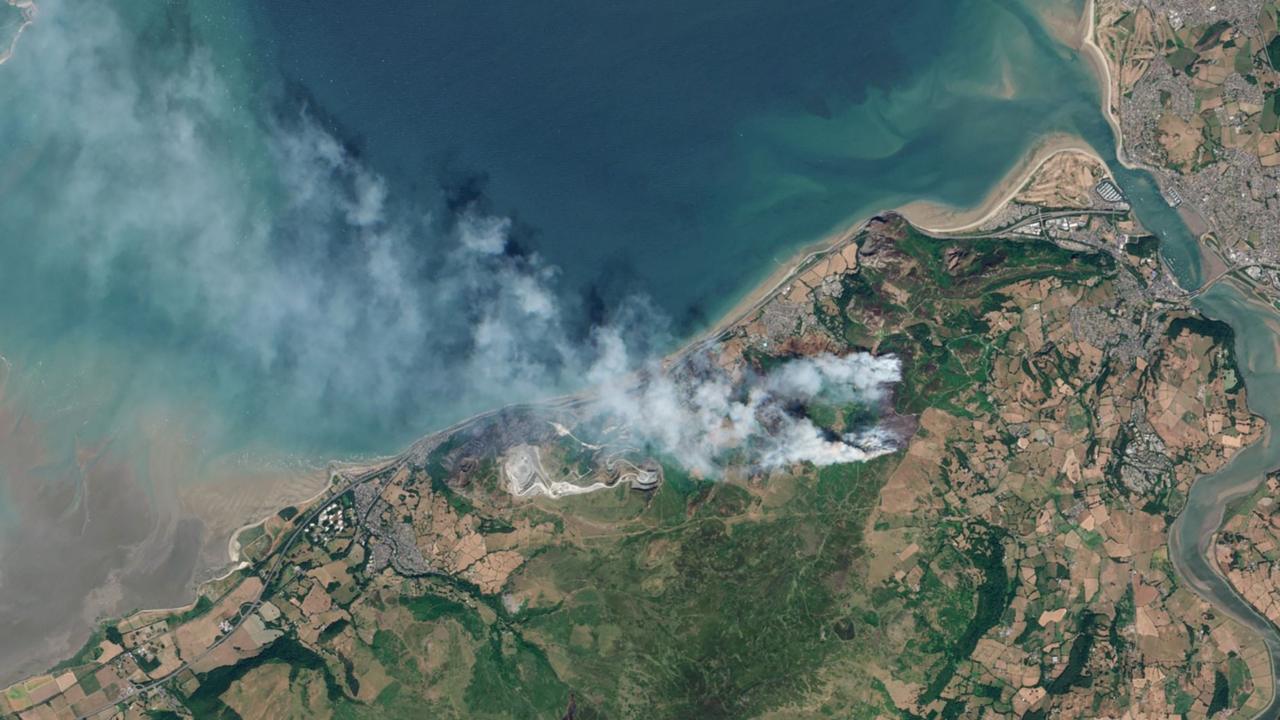
Wales has witnessed huge wildfires this summer, including one major incident and the evacuation of a village in Conwy county.
In the Rhinogydd mountain range in Gwynedd, which is home to a National Nature Reserve and a Special Area of Conservation, a blaze burned for nearly two weeks and affected over 2,000 acres.
Both fires were visible from space.
Meanwhile, a fire in Blaenavon, Torfaen, could be smelt as far away as Cardiff.
Although fewer wildfires were reported in the second half of July in England and Wales compared with 2025, Thomas said: "This year seems to have been worse, I would say, than any of the ones I can remember.
"I would expect this to probably be the worst year for wildfires perhaps we've ever had."
While some areas will recover quite quickly - potentially within a couple of years - he said: "It all depends on how deep the fire goes.
"If a fire burns into the soil and incinerates the soil... then you've lost hundreds of years worth of soil.
"So it's going to take hundreds of years really for that vegetation to come back in a similar way to what it was."
The Pensychnant reserve is supported by volunteers who help preserve and run the centre, including Gwyndaf Pritchard, from Dwygyfylchi.
He said it had been a special place for the community and that the loss of wildlife had been "tragic".
"We've talked about it for years and years, but now climate change is here and we have to start to respect the countryside and we have to be in a position to actually stop these fires happening again," he said.
Evie Roberts, a silversmith who teaches jewellery-making at the centre, said people needed to be educated about the dangers of discarding bottles or cigarettes, which could cause fires.
"Your actions can have devastating effects and I think that education for people is vital to stop this," she said.
"There's a new fire every week at the moment, and there's so much of our land damaged."
Source note
First published by BBC Science
This article was supplied by BBC Science through its RSS feed and formatted for Crooli Signal. The reporting remains with the original publisher.
Read the original at BBC Science